After School at Burns

Cross-posted from Summer of Solutions-Hartford

Part II of our Autumn Update Series focuses on Summer of Solutions’ work at the Burns Latino Studies Academy.

When we arrived at the Burns School for the first time, it looked like this (actually, this picture was taken after we had hacked down and dug up all of the weeds and vines that grew along the fence):

By the end of the summer, our participants and volunteers had helped create an outdoor garden classroom for students and teachers to use throughout the year.

Working with COMPASS Youth Collaborative and the Latino Studies Academy administration, we were able to help the school set up an after-school program that will offer students garden-based education and recreation throughout the fall.  Burns created a position for one of our Program Leaders to work with teachers and students to care for the garden and teach a new outdoor and experiential curriculum.

We believe that making gardens and environmental-education accessible to all schools is essential to realizing social and environmental justice.  School gardens can serve teachers and students by offering outdoor, hands-on alternatives to classroom education.  Gardens can also teach students subjects like ecology and botany, and applied skills like growing food and cooking.

Finally, working with students is fun.  In a movement focused on injustice, oppression and crisis, the importance of fun cannot be overstated.

We hope that the two garden plots at the Burns School will continue to serve both educators and students as places of play and places of learning.  As we head into 2013 and the first full growing season at Burns, we envision a student garden that serves as outdoor classroom and functional vegetable garden.

Student gardens offer students not only curricular enrichment (and potentially, in the future, a real alternative to standard education), but also culinary enrichment (and again, potentially in the future, a real alternative to conventional food systems).

(fresh basil pesto)

Fall Harvest

Summer of Solutions is an incomplete name.  Summer ended a while ago, but Hartford’s growing season has a long ways to go, and so do we.  Our summer training program may be over, but Summer of Solutions Hartford is still busy.  Part I of our Autumn Update Series is all about the gardens, and the plants in them.

Harvest

Our late-season crops are finally ready, and we have a second round of short-season crops coming in too.  We have beans, tomatoes, peppers, greens, eggplant, and more.

We also have a nice variety of flowers- flowers that attract beneficial insects, other flowers that repel pests, and some flowers that just look really pretty.

Our team has been harvesting a lot of the produce for our Garden Stand and for our After-School program (see below), but our garden members have also been taking home fresh fruits and vegetables.

We hope to take advantage of September and October harvests to generate a lot of interest in our community gardens.  It’s hard to imagine how much food can grow in a small raised bed without seeing the long-term results at the end of the season.  We intend to use our fall publicity, garden stands, and lots of pictures to bring new members to our community gardens next year.  Our work this summer and fall proved how productive small plots of land can be over an entire year.

Run a new Summer of Solutions or Local Initiative in 2013

An off-grid solar panel in Detroit. A bike shop in South Minneapolis. A chicken coop at the Coal River Mountain Watch homestead. Two hundred filled-out surveys on visions for the community in Portland. Five summer camps in Oakland, Raleigh, Lexington, Chicago, and Hartford. A dozen farm plots across the country.

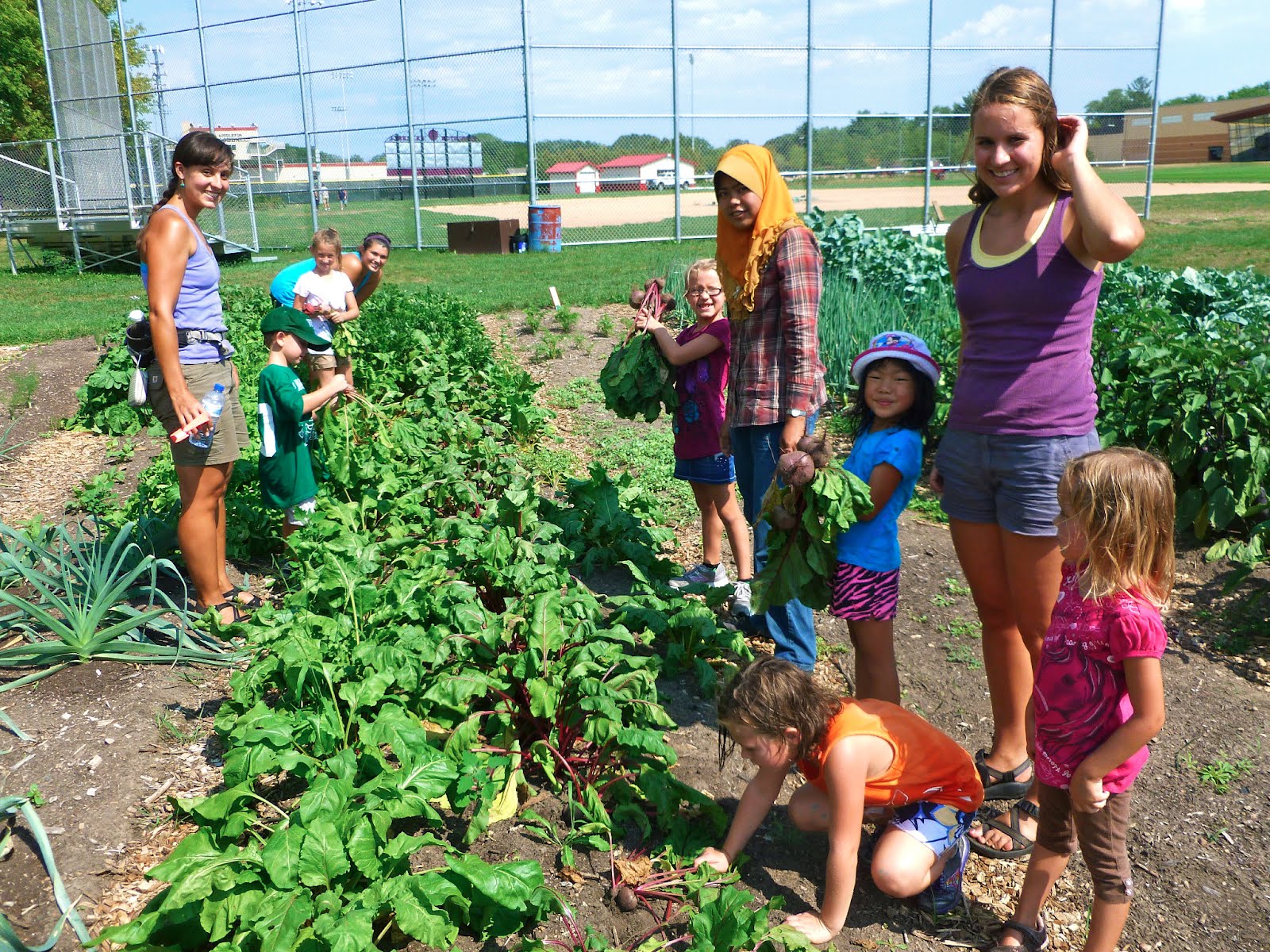
Members of Middleton Summer of Solutions in their Children’s Garden.

Over 300 participants trained in community organizing, sustainable venture development, and distributed leadership. Young people who learned how to plant a seed for the first time. How to help a child believe in herself. How to develop a community owned solar business. How to listen. How to build something that works.

This is a small slice of the legacy of the sixteen 2012 Summer of Solutions programs. We are inviting other young people to join in and become a part of the Grand Aspirations network of empowerment through getting things done.

Continue reading

Building POWER and Growing Food in Rogers Park

This is the third post in a series of introductions by Sustainable Community Organizers working in the Midwest. This post is by Lookman Muhammed from the Chicago Summer of Solutions program.

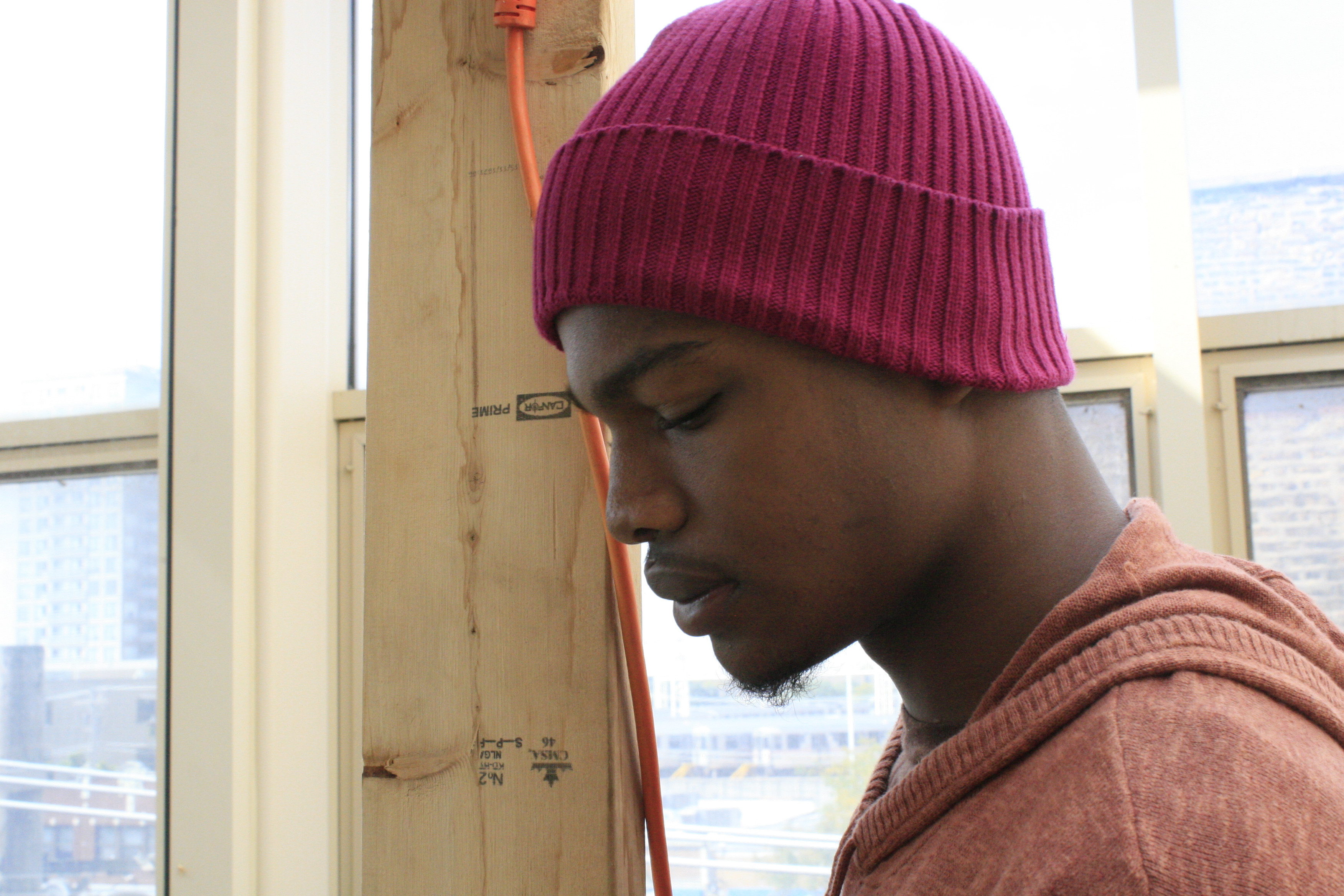
Lookman Muhammed at the greenhouse

My name is Lookman Muhammed. I’m originally from Nigeria, I’ve been residing in Chicago, IL in the Rogers Park neighborhood for 15 years since the age of 3. I initially began working with Summer of Solutions LETS GO Chicago based at the United Church of Rogers Park on the north side of Chicago under Peter Hoy. From the month of May 2012 up until August I worked building rain gardens, advocating for more sustainable ways to live, and educating the community on how to grow food and become sustainable.

At first I looked at this as simply a job where I can make money to provide for myself and my unemployed mother. But after these long months of being around nothing but people who were so passionate about urban agriculture and changing the Rogers Park community for the better It rubbed off on me and I started loving this job much more than I did in the beginning of working with Summer of Solutions. I completed the summer program and learned about the many possibilities that exist if we can spread this idea of sustainability throughout the country. The many jobs that can be brought to the U.S. and the possibility of ending hunger appealed to me the most because of the growing poverty I’ve witnessed in Chicago over the years.

Continue reading

In the Twin Cities: a visit from State Representative Karen Clark

By Twin Cities Summer of Solutions participant Lee Samuelson

On the second to last day of Lynne Mayo’s permaculture project, we had the special privilege of meeting with Karen Clark, the state representative from the neighborhood.

She did not originally intend to run for office, but has gotten elected every 2 years since 1980. She has been an activist in the anti-war movement, anti-nuclear, and pro-affordable housing movements.

The central theme of the legislation Karen Clark presented was people’s “right to know” about the presence of toxic chemicals.

Rep. Clark helped pass a workers’ right to know bill. As a result of her efforts, material safety data sheets have to be posted in workplaces. Now, numerous states have copied the bill. When union members at a facility were found to be sterile, it motivated grassroots pressure to overcome resistance from the chemical companies.

In addition to workers, families also have a right to know. They had to take Bisphenol A out of baby bottles because it was an endocrine disruptor. She talked a lot about public health and childhood lead poisoning. Even dust from paint in old houses cause irreversible damage. Kids are also in danger from arsenic.

Karen Clark wears more hats than the legislative one. She is a central volunteer for the Women’s Environmental Institute and teaches Holistic Health at St Kate’s. Wearing both her legislative hat and Women’s Environmental Institute hats, she mapped out the toxic sites in Phillips.

What they found was that there was a closed pesticide plant in East Phillips that was releasing chemical pollutants all the way to the aquifer. Residents had been dealing with the cumulative health effects of the lead, mercury and arsenic. These included hypertension, asthma and heart disease.

Soil tests are required when lead and arsenic poisoning are found. Soil tests used to be state subsidized. But, in the name of cutting costs, we have to pay for it now. Our host Lynne Mayo wanted to get the soil from the city compost pile tested and it would cost $82. It is an injustice to ask low-income people to pay for the service. For example, the Hmong farmers needed soil testing but it was prohibitively expensive. Rep. Clark has also done some soil remediation on her 100 year old home.

Rep Clark’s perspectives do not come out of a vacuum but draw a lot from her personal experience. She promoted getting alternative medicine subsidized because she is a cancer survivor. Karen Clark’s parents were sharecroppers for rich but stingy California Landlord, which “taught her a lot about who runs things”.

Less Summer, More Solutions

(Title borrowed from SoS Twin Cities!)

I just got back to the Pioneer Valley from a week in Hartford, CT at the Grand Aspirations National Gathering.

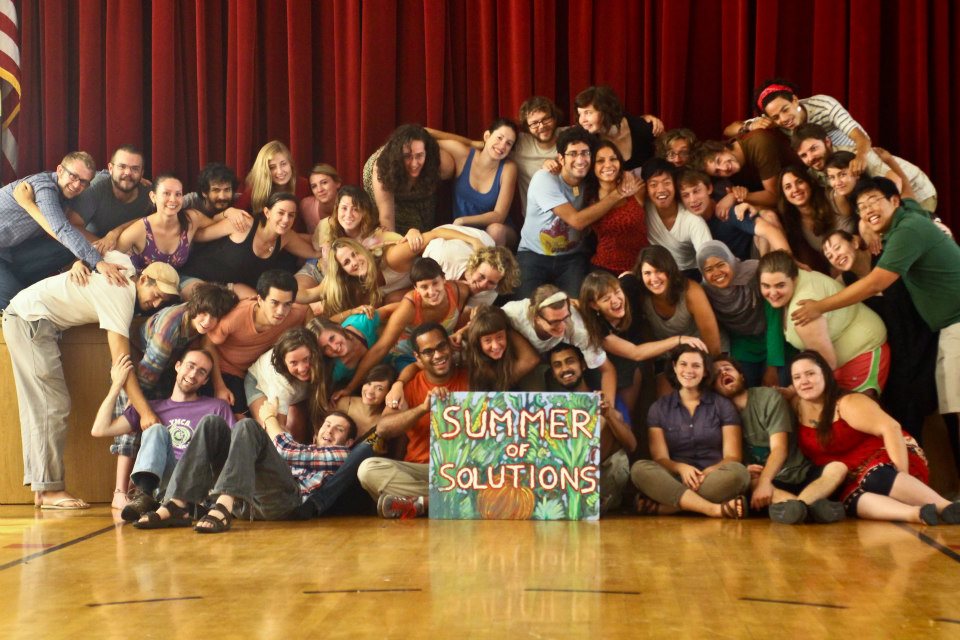
Spending the past week in Hartford, CT with 50 other young leaders in the transition to a sustaining economy was re-affirming and joyful. I feel more connected than ever to other people across the country who are refusing to accept the standards options laid out for youth and community progress. While we all faced struggles and doubts during our summer programs, coming together this past week proved to me that collectively we are more powerful, knowledgeable and hold more potential than I can imagine.

A few of my highlights from the week:

  1. We’re learning our to sustain ourselves. I’m a food person. At gatherings I tend to take on some responsibility for making sure everyone gets feed well. This gathering had the biggest outpouring of food donations of any I have attended (short of Occupy Wall Street’s kitchen!). We brought bags and bags of veggies from our farm in Greenfield, Mass. The Hartford team had preserved vegetables for us all summer. Sarah Murphy (formerly of the Detroit program) brought boxes and boxes of vegetables from her farm in New Hampshire. We talk a lot about growing our own food and sustaining ourselves. I’m excited to say we’re actually doing that.
  2. We’re building our identity as a national organization. This week we got to review, discuss and revise the Strategic Plan for Grand Aspirations. This afforded the opportunity to discuss what the purpose, role and vision of our group are. People who first heard of GA this summer, and those who helped found it five years ago (and those of us in between), came together and sought built our collective understanding and direction.
  3. Our struggles are bound up in each other. We all know that it’s not enough to just act in our local communities. The issues which effect our neighborhoods also act on national and international scales. That’s why I’m so excited that we talked about how to support new programs in an accessible way, how to learn from the struggles other communities face and value the connections we build across geography and culture.
  4. We’re getting some serious stuff done (but having lots of fun). Listening to presentations and conversations this past week, I learned about so many successful strategies and projects. From the new Bike and Walk Center opening in S. Minneapolis, to the hundreds of pounds of compost diverted from the waste stream in Middleton, to the hundreds of homes canvassed for energy efficiency in Iowa City, to the solar installation training going on in Highland Park, to the Yard Sharing network in Chicago, to the… okay you get the idea. We are achieving results.

Some of the best advice I got this summer came from a farmer named Ricky in Orange, MA. He encouraged me to always be thinking about what comes next, and to prepare for my next project before getting too burnt out on my current endeavors. He farms full time, but felt burn-out on the horizon. So he started devoting one day a week to his wood working practice.  There is always more to be done on the farm, but he chose for himself to set that boundary, and grow in a new direction.

For me, that’s what the GA national community is about. Every time I feel discouraged or doubtful, I hear about something new that inspires and motivates. I can shift what I’m doing to better meet my needs, and lean on the people around me for help. Spaces like the National Gathering can help us become agile and resilient individually and collectively. It’s those spaces which keep me coming back for more.

Yeah, it was that fun. Photo: Leo Qin.

Capping Off the Summer

August Gathering was a fantastic cap off to my Summer of Solutions (SoS). I arrived to this gathering confused about the purpose of SoS and my experience in Portland. Now that we’re done, I’m less confused and more resolved in my future objectives.

August Gathering began Monday in a Lutheran Church somewhere in Hartford, CT. Program leaders and volunteers from every nook and cranny of the US participated in sustainability workshops, agenda planning sessions, and urban farming tours. It was a gathering of different accents and experiences that created and shared a common vision.

What I ultimately learned from all this is that sustainability is a value I support, but it isn’t a cause I plan to actively participate in. However, I do plan to keep in touch with the friends I’ve made here and to offer what little I can to the Portland SoS program over the next year.

What really affected me here is the way we ate this week. Many of the participants who worked on farms brought with them a heap of tasty vegetables. Previous to this week, I’ve never spent one without eating meat—and vegetables have always just been an addition to my meal, never the centerpiece. Now I’m seriously considering a vegetarian diet because this week we ate like royalty. It’s nan-sense how good we ate (an inside joke, har har har), and I’m ecstatic to implement this change in my life.

The two discussions I attended and appreciated most were about how to incorporate different people into sustainability initiatives. We all agreed the lack of diversity in sustainability activism is not progressive; yet none of us had an idea of how to become effectively inclusive–it’s still a work in progress. Through discussion, I learned there are ways, difficult as they may be, to incorporate diverse groups of people and to help impacted communities. I might seek further opportunities with the Portland hub during the year.

The best part of this gathering is all the connections and friends I’ve made. I don’t know what will become of them or how they’ll be involved in my life in the future, but I’m hopeful something special will result from being involved with such an ambitious, inspiring, and brilliant group of people.

So the future is still ambiguous for me, but from this gathering, I’m certain to be involved with sustainability initiatives in some capacity in the future, to visit friends in different areas of the US, and to live a healthier, environmentally friendly lifestyle. I’d say this gathering was a success. Thanks again, Grand Aspirations!

The Summer is Coming to a Close

Aside

The summer is winding down and Portland Enrichment recently went out for their last canvass on Saturday August 11th. On Sunday the 12th, the group volunteered at the farmers market for the last time of the summer as well. In one-way or another, I’m sure everyone in our group learned a lot from their experience with Portland Enrichment. Everyone had a chance to communicate with literally hundreds of people during the summer. I believe an important skill is learning about how others interact, and we interacted with a variety of great people and received some in-depth feedback about Lents.

During the summer we knocked on about 1000 doors and collected around 200 surveys. At the conclusion of the program, Portland Enrichment will release its End of Program analysis and final statistics. We will be able to fully assess data from the residents of Lents. Many people in Lents will be receiving emails from our partner organizations, which explain how they can get involved in the community. Our team encountered many people who were enthusiastic about getting involved.

At the beginning of the program I didn’t expect that we would have as many people as we did commit to participating in community actions. Out of the people we had a chance to talk to, I would estimate more than half of them took the survey and challenge. Unfortunately, we knocked on a lot of houses where no one was home. Something our group will address at our next meeting is the best times to canvass. This summer we usually canvassed on Saturdays in the early afternoon. This seems like a logical time to catch people in their homes because typically most people have weekends off from work. However, many days this summer were very nice and I’m sure a lot of families were out enjoying the weather Portland has to offer this time of year.

We will try our best to reach as many people as possible next summer. Nowadays, it seems people are so busy and some people don’t spend much time at home like they used to. But it does seem like many people are still eager to get involved. While canvassing, I heard a few people say how they wish they could communicate more with their neighbors and have more community events or block parties. Maybe it’s just me, but it seems people don’t talk with their neighbors like they used to 10-15 years ago.

I remember talking to a man who had four kids, had a job, went to school and was also involved with the community. I thought that this man must not have time to do anything. It was great getting to hear stories from the residents of Lents. It has been a pleasure getting to know people in the community and I plan to see some of the people I met again in the future.Image

Celebrating a Bounty of Food, Friends, and Fun

Cross-posted from Growing Food and Sustainability

Yesterday was our biggest event of the summer, our Harvest Festival! We invited friends, family, neighbors, and community members to join us in a celebration of Growing Food and Sustainability’s first summer. Much has happened since Natalie and I first dreamed-up this program last October. A few highlights include…

  • Creating a 5,000 square foot Youth Farm where we have harvested 923 pounds of produce to date
  • Running a 9-week summer program for 26 students from 4-16 years old
  • Donating (and delivering with our bike trailer) 373 pounds of produce to the Middleton Outreach Ministry Food Pantry and 145 pounds to the Middleton Senior Center
  • Composting 887 pounds of food waste from Bloom Bake Shop and Roman Candle Pizzeria
  • Building a team of youth leaders to run our program. Ain and Lauren, our full-time participants, we simply couldn’t have done any of this without you! And to all of our committed part-time participants (Abby, Alyson, Asha, Colin, Katie, Lennea, Liz, Matthew, Morgan, Neil, and Teague), you kept our program rolling and contributed your talents and energy exactly when we needed them!

And now about that Harvest Festival…

Our wonderful volunteers made sure that everything ran smoothly and that everyone had fun! There were games, activities, music, and food for all to enjoy!

Farm Stand and Bake Sale at the Harvest Festival

Lauren putting our bike trailer to another use…

Bike-powered Hay Rides!

Our long-time friend and artist, Cathi, came all of the way from Chicago to run a ceramic plate-making activity! It was a hug hit with kids and adults of all ages.

Making ceramic plates!

Some of the kids took charge over the activities. Here, 6-year-old Elizabeth is running the face painting table.

Family face-painting

Seeing the faces of so many friends (old and new) at the Harvest Festival made me feel so supported in this work. Grandparents, parents, and family friends who have watched me and Natalie grow-up were there to cheer us on. I also realized how many new connections GFS has made within the community and how many new people I can now call friends. It felt incredible to know that the GFS team created this beautiful community in just one summer, and that these friendships and connections will continue to grow into the future.

Thanks to everyone who contributed to making our Harvest Festival such a success. We had so much fun celebrating with you and your generosity helped us to raise over $500 to send a group of our youth leaders to the Summer of Solutions National Gathering in Connecticut next week. THANK YOU!

~ Gabrielle, Program Leader